Printable Sudoku

In a world increasingly dominated by screens and digital distractions, there remains a timeless appeal to the simplicity of paper and pencil puzzles. Printable Sudoku offers a refreshing escape-a tactile experience that invites you to engage your mind, sharpen your logic, and find quiet moments of focus. Whether you’re a seasoned puzzler or a curious beginner, these neatly arranged grids on a sheet of paper provide endless opportunities for challenge and enjoyment, all without the need for an electronic device. In this article, we’ll explore the enduring charm of printable Sudoku and how it continues to captivate puzzle enthusiasts across the globe.

Exploring the Benefits of Printable Sudoku for Cognitive Health

Engaging regularly with Sudoku puzzles enhances brain plasticity, which is crucial for maintaining cognitive agility as we age. The act of solving these numerical challenges stimulates several mental faculties simultaneously-such as memory recall, logical reasoning, and pattern recognition-creating a comprehensive workout for the mind. In addition, printable versions offer the tactile satisfaction of pen on paper, which can strengthen concentration and reduce digital fatigue. This blend of mental rigor and physical interaction makes printable Sudoku a valuable tool for nurturing sharpness and sustained mental energy.

The benefits extend beyond mental stimulation, encompassing emotional well-being. Working through Sudoku puzzles can promote a mindful state, reducing stress and helping to cultivate patience and perseverance. This quiet form of meditation can be especially beneficial in today’s fast-paced world. Below is a quick summary of some key advantages that printable Sudoku contributes to cognitive health:

  • Enhances memory retention through constant recall of numbers and strategies.
  • Improves problem-solving skills by training analytical thinking.
  • Boosts focus and attention span, thanks to sustained engagement with puzzles.
  • Supports mental resilience by encouraging persistent effort in face of challenges.
  • Reduces stress with a calming, meditative approach to brain activity.

Choosing the Right Difficulty Level to Challenge Your Mind

Finding the perfect challenge in Sudoku is about striking a balance between frustration and fun. Beginners often thrive on simpler puzzles that build confidence and teach essential strategies, while seasoned solvers seek intricate grids that push their logical thinking to the next level. By selecting the right difficulty, you turn every Sudoku session into a mental workout tailored to your growth.

Consider these markers to guide your choice:

  • Easy: Plenty of clues, straightforward number placement – great for warming up.
  • Medium: Fewer given numbers with some hidden pairs or triples requiring a sharper eye.
  • Hard: Sparse clues demanding advanced techniques like X-Wing or Swordfish.
  • Expert: Minimal hints, relying heavily on deduction and patience.
Difficulty Clues Given Key Techniques Best For
Easy 40-45 Basic elimination Beginners
Medium 32-39 Hidden singles, pairs Casual players
Hard 24-31 X-Wing, coloring Experienced solvers
Expert 17-23 Advanced chains, forcing chains Puzzle enthusiasts

Tips for Creating Custom Printable Sudoku Puzzles

Crafting your own Sudoku puzzles starts with balancing complexity and solvability. Focus on a symmetrical grid layout, as most classic Sudoku puzzles use mirrored clue placements, which provide a visually appealing and fair challenge. When selecting numbers to pre-fill, ensure the puzzle has a unique solution by testing it with various solving techniques, such as naked singles or hidden pairs. This approach guarantees that solvers won’t get stuck or encounter multiple possible solutions, which can be frustrating. Also, consider the difficulty level you want to target; beginner puzzles require more given digits, while expert puzzles should challenge advanced strategies without guesswork.

Utilize basic layout aides to streamline the process, like tables or charts indicating clue positions and common patterns. Below is a simple example of a layout guide you can use for your custom puzzles:

Row Given Numbers Difficulty
1 3 Easy
4 2 Medium
7 1 Hard
  • Leverage Sudoku solving apps or software to verify puzzle integrity before printing.
  • Experiment with different grid sizes-standard 9×9, or even smaller 4×4 or larger 16×16 formats-to attract varied player preferences.
  • Keep the visual design clean with clear fonts and sufficient spacing for easy readability on printed sheets.

Integrating Printable Sudoku into Your Daily Routine for Maximum Focus

Incorporating printable Sudoku puzzles into your daily agenda can sharply enhance your mental clarity and sustain focus throughout the day. Whether it’s a morning ritual before tackling work tasks or a midday break to recharge, these puzzles stimulate your brain in a way that promotes logical thinking and problem-solving skills. Try dedicating just 10-15 minutes to solving a Sudoku to jump-start your cognitive functions and clear mental clutter, making room for improved concentration during your most demanding activities.

To seamlessly weave this practice into your routine, consider these effective methods:

  • Set a specific time: Choose a consistent slot such as right after breakfast or during your afternoon coffee.
  • Create a comfortable environment: Use a quiet nook or a cozy corner where distractions are minimized.
  • Start simple, then progress: Gradually increase puzzle difficulty to keep your brain engaged without frustration.
  • Use printed puzzles: They reduce screen time and enhance tactile engagement for deeper focus.
Time of Day Recommended Puzzle Level Focus Benefit
Morning Easy to Medium Boosts alertness and primes the brain for the day
Afternoon Medium to Hard Recharges focus and reduces mental fatigue
Evening Easy Relaxes the mind, preparing for restful sleep

To Conclude

Whether you’re new to the world of Sudoku or a seasoned puzzle enthusiast, printable Sudoku offers a timeless and accessible way to challenge your mind. With a simple click and a quick print, you can dive into grids of varying difficulty anytime, anywhere-no screens required. So, next time you seek a moment of calm or a mental workout, let printable Sudoku be your go-to companion, transforming ordinary paper into a playground of logic and fun. Happy puzzling!
Sudoku Tips

In the quiet symphony of numbers, Sudoku stands as a timeless puzzle that challenges both the mind and patience. Each grid, a canvas of logic and deduction, invites solvers into a world where patterns emerge from seeming randomness. Whether you’re a curious beginner or a seasoned enthusiast, uncovering effective strategies can transform the process from mere filling of squares to an engaging mental dance. This article explores a collection of Sudoku tips designed to sharpen your skills and deepen your appreciation for this elegant game of numbers.
Mastering the Basics for a Strong Foundation

Mastering the Basics for a Strong Foundation

Building a solid base in Sudoku is all about embracing the fundamentals and maintaining a patient mindset. Start by focusing on individual rows, columns, and 3×3 grids, identifying which numbers are missing and where they might fit logically. Never rush your moves; early errors can cascade, making the puzzle more challenging later on. Develop a habit of scanning the puzzle multiple times before placing a number to double-check its validity.

  • Mark candidates lightly: Use pencil marks or small notations to track potential numbers in each cell.
  • Use process of elimination: Identify impossible placements by scrutinizing neighboring cells and units.
  • Cross-hatching: Scan rows and columns within each 3×3 box to narrow down possibilities.

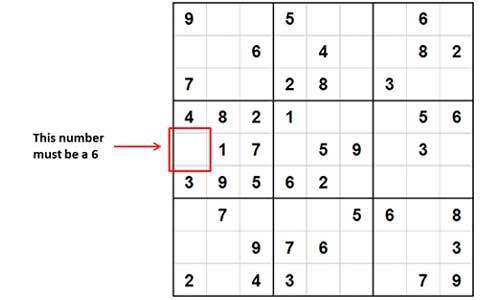
Let’s take a quick peek at a typical 3×3 block to see how the basics interact. Below is an example where the numbers 1, 3, 5, and 7 are already placed; the missing numbers are logically inferred by excluding these known values and checking their impact on adjacent rows and columns.

Cell Known Number Possible Candidates
A1 5
A2 1, 2
A3 3
B1 2, 4
B2 7
B3 1, 9
C1 1
C2 4, 6
C3 2, 8

By mastering these small tools at your disposal and carefully observing the puzzle’s structure, you set yourself up for success as you tackle more complex Sudoku challenges.

Unlocking Patterns to Accelerate Your Puzzle Solving

Unlocking Patterns to Accelerate Your Puzzle Solving

Mastering Sudoku is about more than just filling empty cells; it’s about recognizing the subtle clues that unlock entire rows, columns, and grids at once. Start by focusing on naked pairs and triples – small groups of numbers confined to the same two or three cells within a unit. Once identified, these sets allow you to eliminate those candidates from other cells, significantly reducing complexity. Incorporate the practice of scanning for hidden singles, where a number appears only once within a row, column, or block as a candidate, making its placement definitive. These techniques act like keys to the puzzle’s hidden chambers, revealing swift paths to completion.

Unlocking these patterns also requires embracing the power of visualization and logical deduction. Keep a keen eye on how numbers interact, especially when they “see” each other across rows and blocks. The following table highlights a few common patterns and their impacts on solving strategies, helping you internalize which moves to prioritize:

Pattern Characteristic Effect on Puzzle
Naked Pair Two cells with the same two candidates Eliminates those numbers elsewhere in the unit
Hidden Single Only one cell can contain a specific number Direct placement of a number
Box-Line Reduction Candidate confined to one line in a box Removes candidate from that line outside the box
Pointing Pair Two candidates aligned in a row or column within a box Excludes candidate from the rest of the row/column

Strategic Techniques to Tackle Advanced Challenges

Strategic Techniques to Tackle Advanced Challenges

When confronting especially complex Sudoku puzzles, it’s crucial to elevate your approach through well-devised strategies that sharpen your analytical skills. Begin by identifying candidate elimination-the process of narrowing down possibilities for each cell based on existing numbers in rows, columns, and boxes. This technique helps reveal hidden singles and naked pairs, pivotal in unlocking stubborn grids. Experiment with looking beyond immediate placements by tracing potential chains of numbers; this allows you to anticipate outcomes and spot contradictions, turning guesswork into calculated moves.

Additionally, persistent observation of key patterns can drastically enhance your game. Incorporate these techniques into your routine for tackling tricky puzzles:

  • X-Wing and Swordfish: Advanced pattern recognition that filters out impossible numbers across rows and columns.
  • Coloring: Assign colors to linked candidates to visualize eliminations and confirm correct placements.
  • Trial and Error: Employ a cautious trial for cells with few candidates, verifying consistency as you progress.
Strategy Purpose When to Use
X-Wing Eliminates candidates in intersecting rows and columns After ruling out singles and pairs
Coloring Visualizes candidate relationships When complex chains are present
Trial and Error Tests hypotheses on candidate numbers When logical deductions stall

Common Pitfalls and How to Avoid Them

Common Pitfalls and How to Avoid Them

One of the most frequent mistakes beginners make is jumping to conclusions without thoroughly analyzing the puzzle. Hastily placing numbers often leads to contradictions down the line, forcing you to backtrack and waste valuable time. To sidestep this, always use the process of elimination and consider all possibilities before committing to a number. Another subtle trap is neglecting to mark potential candidates; this handy habit can prevent confusion and reveal hidden patterns as the puzzle progresses. Keep your notes tidy and revisit them regularly to track changes and eliminate options.

  • Avoid assumptions: Don’t guess when you can logically deduce
  • Use pencil marks: Keep track of potential numbers for each cell
  • Stay organized: Tackle one section at a time to prevent overwhelm
  • Check and recheck: Verifying your placements helps catch errors early

Misinterpreting the rules can also trip up even experienced players, especially when dealing with variants or advanced techniques. For example, forgetting that each number must appear only once per row, column, and 3×3 box causes needless frustration. To help visualize this constraint, reference the simple table below showing the valid insertion zones for the number 5 in a sample grid context.

Row Column 3×3 Box Allowed
3 5 Yes
7 2 No
1 9 Yes

To Wrap It Up

Whether you’re a casual puzzler or a dedicated Sudoku master, these tips can turn a daunting grid into a satisfying challenge. Remember, every number placed is a step closer to unlocking the subtle logic beneath the squares. So next time you sit down with a Sudoku puzzle, take a breath, trust your instincts, and enjoy the quiet thrill of the solve. Happy puzzling!

Sudoku Strategies


Effective Sudoku Strategies to Master Every Puzzle

Sudoku is a beloved logic-based number puzzle that challenges players to fill a 9×9 grid so that every row, column, and 3×3 box contains the digits 1 through 9 without repetition. While simple in appearance, Sudoku puzzles can vary from easy to fiendishly difficult. Whether you’re a beginner or an experienced puzzler, using smart Sudoku strategies can significantly improve your solving speed and accuracy.

Why Sudoku Strategies Matter

Many players attempt Sudoku by guessing numbers or randomly trying placements, which often leads to frustration or incomplete puzzles. Applying solid strategies:

  • Enhances logical thinking and pattern recognition
  • Prevents guessing and errors
  • Boosts solving speed and confidence
  • Makes difficult puzzles approachable

Basic Sudoku Strategies For Beginners

Get started with these foundational techniques that every Sudoku enthusiast should master:

1. Scanning

Scan rows, columns, and 3×3 boxes to identify numbers that have already been placed. Use this information to exclude possibilities for empty cells.

2. Cross-Hatching

For a particular number, cross off cells in rows and columns across boxes where it cannot appear. This helps narrow down candidate cells.

3. Candidate Lists (Pencil Marks)

Write down possible numbers in empty cells as small, light pencil marks. Continuously update these as you solve more of the puzzle.

4. Naked Singles

If a cell has only one possible candidate number remaining, that number must go in the cell.

Intermediate Sudoku Strategies

Once you’re comfortable with the basics, these strategies allow you to solve medium and moderately challenging puzzles:

1. Naked Pairs and Triples

If two cells in a row, column, or box contain only the same two candidates, those numbers can be removed from other cells in that group. The same logic applies to triples (three cells sharing three candidates).

2. Hidden Pairs and Triples

Sometimes pairs or triples of numbers appear only in certain cells amidst multiple candidates. Recognizing hidden pairs/triples allows you to eliminate other candidates in those cells.

3. Pointing Pairs and Box-Line Reduction

If a candidate number appears only in one row or column within a 3×3 box, you can eliminate that candidate from the same row/column outside the box.

4. X-Wing Pattern

An advanced pattern involving candidate numbers aligning across two rows and two columns. Detecting the X-Wing lets you eliminate candidates from other cells and narrow down solutions.

Advanced Strategies For Experts

Hard puzzles require knowledge of complex techniques. Here are some expert level strategies:

1. Swordfish

An extension of X-Wing that involves three rows and columns, allowing you to identify and remove candidates strategically.

2. Coloring

Use coloring techniques to track candidate pairs and identify contradictions to eliminate impossible numbers.

3. XY-Wing

A technique involving three cells that utilize candidate pair logic to reduce possibilities.

Practical Tips for Applying Sudoku Strategies

  • Start with easy-to-identify numbers: Complete low-hanging fruit and naked singles before moving to complex strategies.
  • Update your pencil marks regularly: Keeping candidate lists current avoids confusion and mistakes.
  • Be patient and methodical: Sudoku rewards careful logical thinking over guesswork.
  • Practice different puzzle difficulties: Gradually challenge yourself to master intermediate and advanced strategies.
  • Use digital Sudoku tools if needed: They help visualize and auto-update candidate numbers during practice.

Benefits of Mastering Sudoku Strategies

Beyond the fun and satisfaction of solving puzzles, honing your Sudoku skills offers surprising cognitive benefits:

  • Improves memory and concentration: Keeping track of candidates boosts working memory.
  • Enhances problem-solving skills: Learning new techniques strengthens reasoning abilities.
  • Reduces stress: Puzzle-solving can be a calming and meditative activity.
  • Delays cognitive decline: Regular brain exercises may help maintain mental sharpness with age.

Sudoku Strategy Cheat Sheet

Strategy When to Use Effect
Scanning Start of puzzle and after updates Eliminates obvious number placements
Naked Singles When only one candidate remains in a cell Immediate safe placement
Hidden Pairs/Triples Intermediate puzzles with overlapping candidates Reduces candidates for better focus
X-Wing Advanced deductions using row-column patterns Eliminates candidates on grid wide level
Coloring Complex puzzles requiring contradiction checks Pinpoints impossible candidates

Firsthand Experience: How Strategies Changed My Sudoku Game

When I first started playing Sudoku, I often relied on trial and error and sometimes gave up on harder puzzles. Learning and applying strategies like naked singles and cross-hatching transformed my experience. I started solving puzzles faster and with more confidence. Eventually, tackling tougher puzzles became rewarding rather than frustrating. If you’re struggling, focus on mastering one strategy at a time – it makes a world of difference!

Conclusion

Sudoku is more than just a pastime – it’s a stimulating brain workout that rewards strategic thinking. By mastering fundamental and advanced Sudoku strategies, you can tackle even the hardest puzzles confidently and efficiently. Remember to practice regularly, be patient, and enjoy the logical journey. Whether you are a casual player or an aspiring Sudoku expert, these techniques will revolutionize your solving skills and increase your enjoyment of this timeless puzzle.

Ready to sharpen your Sudoku skills? Start applying these strategies today and watch how you conquer puzzles with ease!