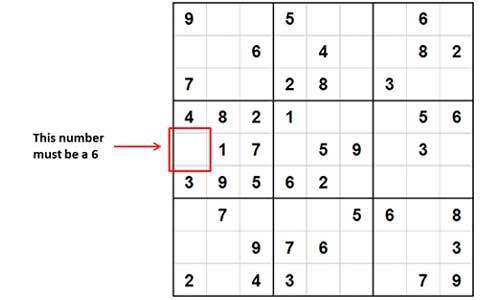
In the quiet symphony of numbers, Sudoku stands as a timeless puzzle that challenges both the mind and patience. Each grid, a canvas of logic and deduction, invites solvers into a world where patterns emerge from seeming randomness. Whether you’re a curious beginner or a seasoned enthusiast, uncovering effective strategies can transform the process from mere filling of squares to an engaging mental dance. This article explores a collection of Sudoku tips designed to sharpen your skills and deepen your appreciation for this elegant game of numbers.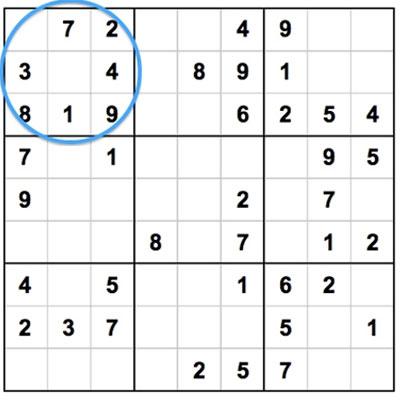
Mastering the Basics for a Strong Foundation
Building a solid base in Sudoku is all about embracing the fundamentals and maintaining a patient mindset. Start by focusing on individual rows, columns, and 3×3 grids, identifying which numbers are missing and where they might fit logically. Never rush your moves; early errors can cascade, making the puzzle more challenging later on. Develop a habit of scanning the puzzle multiple times before placing a number to double-check its validity.
- Mark candidates lightly: Use pencil marks or small notations to track potential numbers in each cell.
- Use process of elimination: Identify impossible placements by scrutinizing neighboring cells and units.
- Cross-hatching: Scan rows and columns within each 3×3 box to narrow down possibilities.
Let’s take a quick peek at a typical 3×3 block to see how the basics interact. Below is an example where the numbers 1, 3, 5, and 7 are already placed; the missing numbers are logically inferred by excluding these known values and checking their impact on adjacent rows and columns.
| Cell | Known Number | Possible Candidates |
|---|---|---|
| A1 | 5 | – |
| A2 | – | 1, 2 |
| A3 | 3 | – |
| B1 | – | 2, 4 |
| B2 | 7 | – |
| B3 | – | 1, 9 |
| C1 | 1 | – |
| C2 | – | 4, 6 |
| C3 | – | 2, 8 |
By mastering these small tools at your disposal and carefully observing the puzzle’s structure, you set yourself up for success as you tackle more complex Sudoku challenges.
Unlocking Patterns to Accelerate Your Puzzle Solving
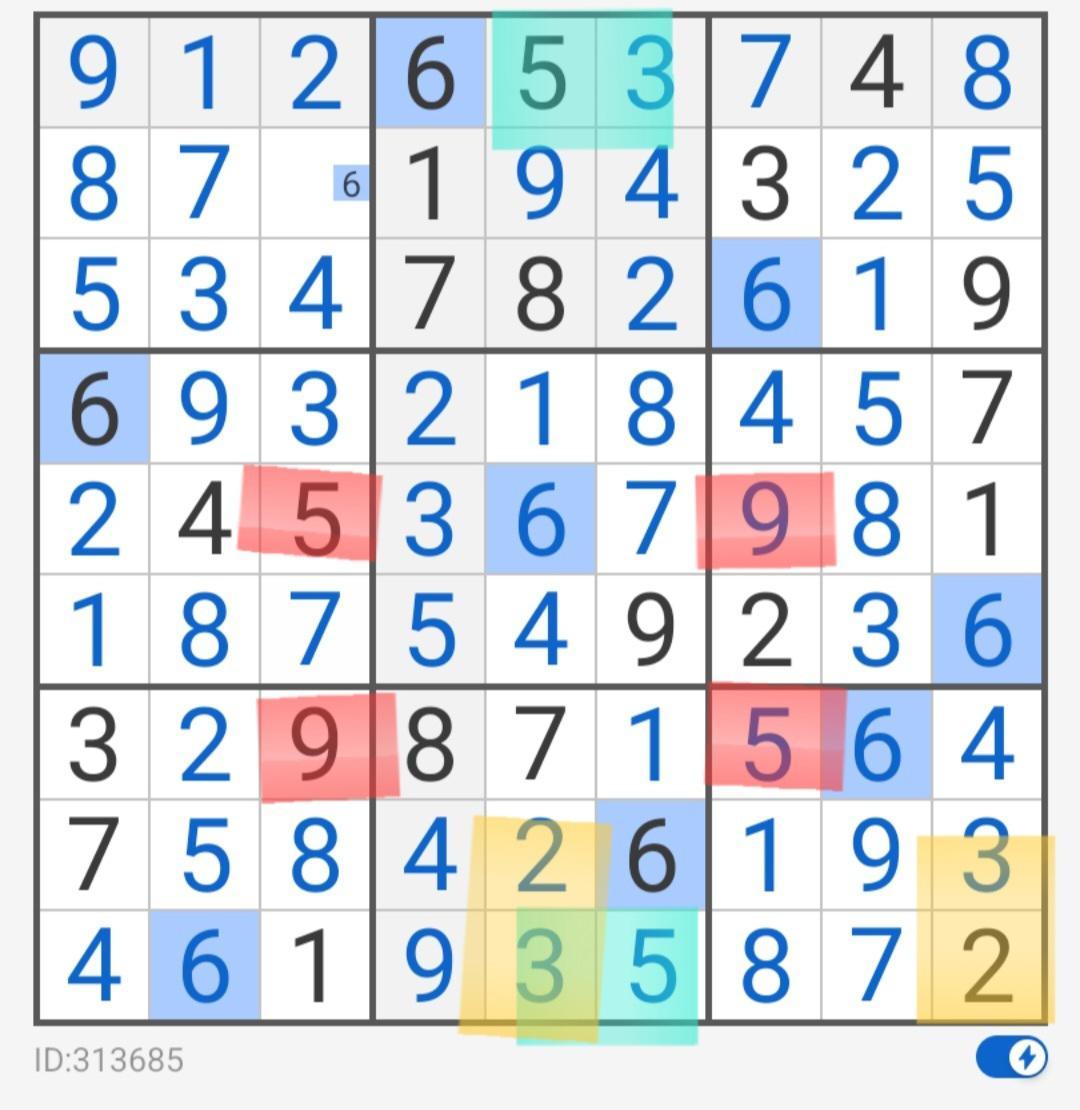
Mastering Sudoku is about more than just filling empty cells; it’s about recognizing the subtle clues that unlock entire rows, columns, and grids at once. Start by focusing on naked pairs and triples – small groups of numbers confined to the same two or three cells within a unit. Once identified, these sets allow you to eliminate those candidates from other cells, significantly reducing complexity. Incorporate the practice of scanning for hidden singles, where a number appears only once within a row, column, or block as a candidate, making its placement definitive. These techniques act like keys to the puzzle’s hidden chambers, revealing swift paths to completion.
Unlocking these patterns also requires embracing the power of visualization and logical deduction. Keep a keen eye on how numbers interact, especially when they “see” each other across rows and blocks. The following table highlights a few common patterns and their impacts on solving strategies, helping you internalize which moves to prioritize:
| Pattern | Characteristic | Effect on Puzzle |
|---|---|---|
| Naked Pair | Two cells with the same two candidates | Eliminates those numbers elsewhere in the unit |
| Hidden Single | Only one cell can contain a specific number | Direct placement of a number |
| Box-Line Reduction | Candidate confined to one line in a box | Removes candidate from that line outside the box |
| Pointing Pair | Two candidates aligned in a row or column within a box | Excludes candidate from the rest of the row/column |
Strategic Techniques to Tackle Advanced Challenges
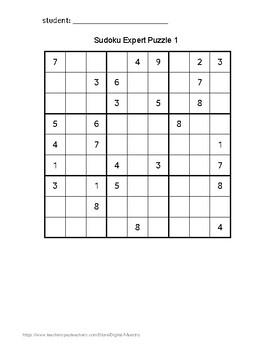
When confronting especially complex Sudoku puzzles, it’s crucial to elevate your approach through well-devised strategies that sharpen your analytical skills. Begin by identifying candidate elimination-the process of narrowing down possibilities for each cell based on existing numbers in rows, columns, and boxes. This technique helps reveal hidden singles and naked pairs, pivotal in unlocking stubborn grids. Experiment with looking beyond immediate placements by tracing potential chains of numbers; this allows you to anticipate outcomes and spot contradictions, turning guesswork into calculated moves.
Additionally, persistent observation of key patterns can drastically enhance your game. Incorporate these techniques into your routine for tackling tricky puzzles:
- X-Wing and Swordfish: Advanced pattern recognition that filters out impossible numbers across rows and columns.
- Coloring: Assign colors to linked candidates to visualize eliminations and confirm correct placements.
- Trial and Error: Employ a cautious trial for cells with few candidates, verifying consistency as you progress.
| Strategy | Purpose | When to Use |
|---|---|---|
| X-Wing | Eliminates candidates in intersecting rows and columns | After ruling out singles and pairs |
| Coloring | Visualizes candidate relationships | When complex chains are present |
| Trial and Error | Tests hypotheses on candidate numbers | When logical deductions stall |
Common Pitfalls and How to Avoid Them
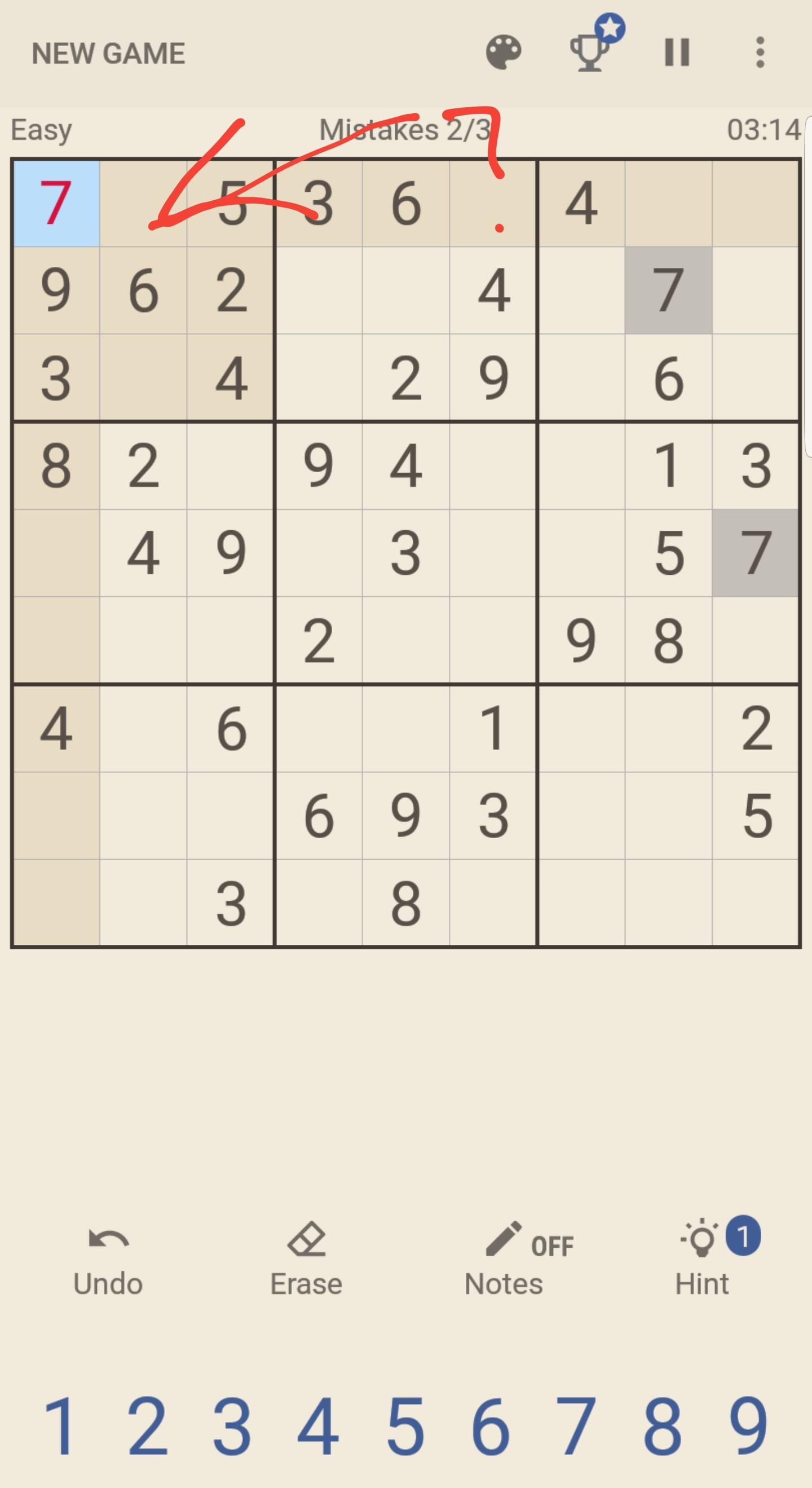
One of the most frequent mistakes beginners make is jumping to conclusions without thoroughly analyzing the puzzle. Hastily placing numbers often leads to contradictions down the line, forcing you to backtrack and waste valuable time. To sidestep this, always use the process of elimination and consider all possibilities before committing to a number. Another subtle trap is neglecting to mark potential candidates; this handy habit can prevent confusion and reveal hidden patterns as the puzzle progresses. Keep your notes tidy and revisit them regularly to track changes and eliminate options.
- Avoid assumptions: Don’t guess when you can logically deduce
- Use pencil marks: Keep track of potential numbers for each cell
- Stay organized: Tackle one section at a time to prevent overwhelm
- Check and recheck: Verifying your placements helps catch errors early
Misinterpreting the rules can also trip up even experienced players, especially when dealing with variants or advanced techniques. For example, forgetting that each number must appear only once per row, column, and 3×3 box causes needless frustration. To help visualize this constraint, reference the simple table below showing the valid insertion zones for the number 5 in a sample grid context.
| Row | Column | 3×3 Box Allowed |
|---|---|---|
| 3 | 5 | Yes |
| 7 | 2 | No |
| 1 | 9 | Yes |
To Wrap It Up
Whether you’re a casual puzzler or a dedicated Sudoku master, these tips can turn a daunting grid into a satisfying challenge. Remember, every number placed is a step closer to unlocking the subtle logic beneath the squares. So next time you sit down with a Sudoku puzzle, take a breath, trust your instincts, and enjoy the quiet thrill of the solve. Happy puzzling!